

LEARN ABOUT

OUR INSTITUTION

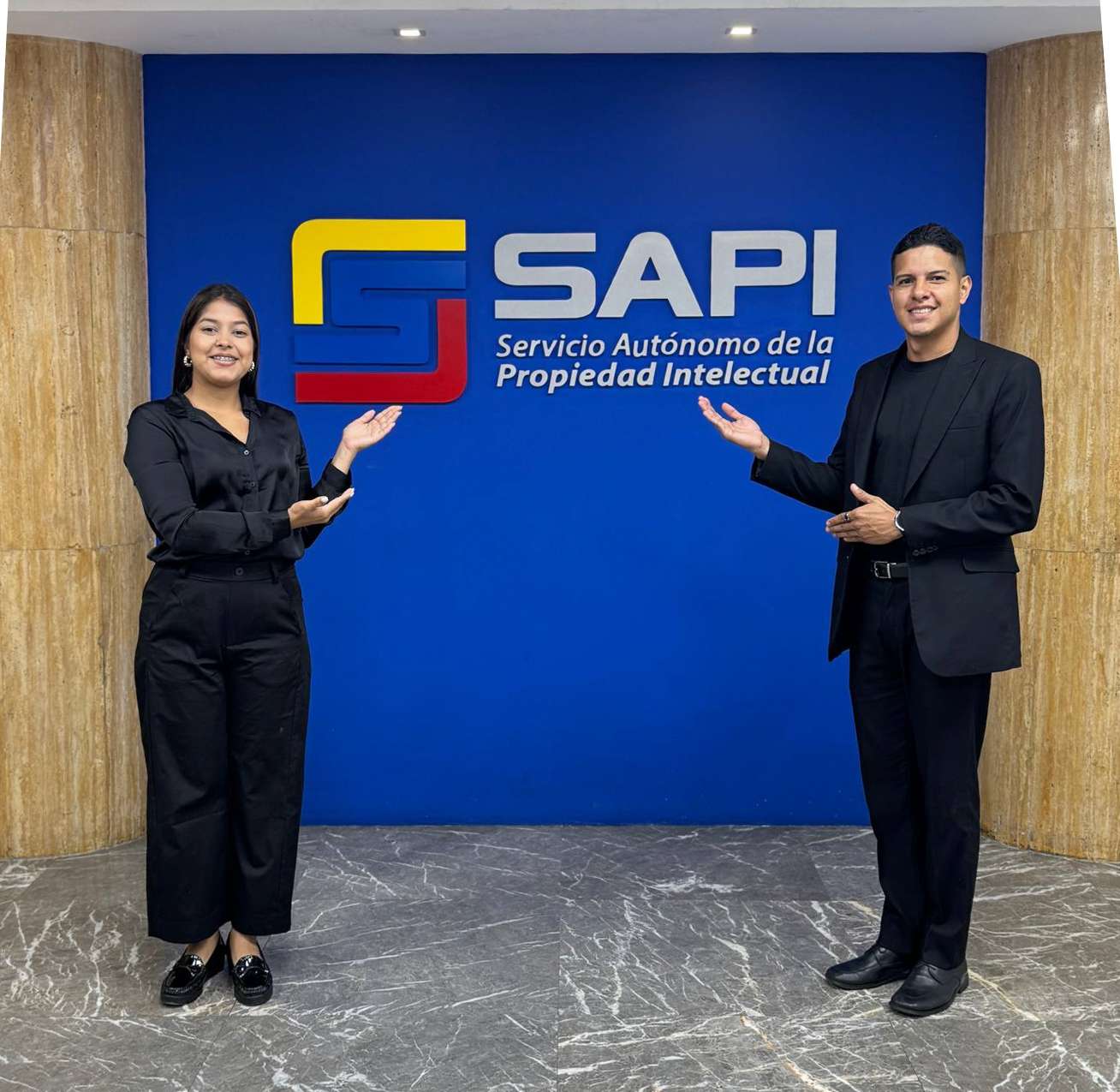
What is SAPI?

The Autonomous Intellectual Property Service (SAPI) is an agency under the Ministry of Popular Power for Industry and Domestic Trade, responsible in the Bolivarian Republic of Venezuela for protecting the rights of inventors, discoverers, and introducers regarding industrial creations, inventions, or discoveries; producers, manufacturers, or merchants regarding special phrases or signs; as well as the rights of authors over all creative works of the mind, whether literary, scientific, or artistic in nature, regardless of their genre, form of expression, merit, or purpose.

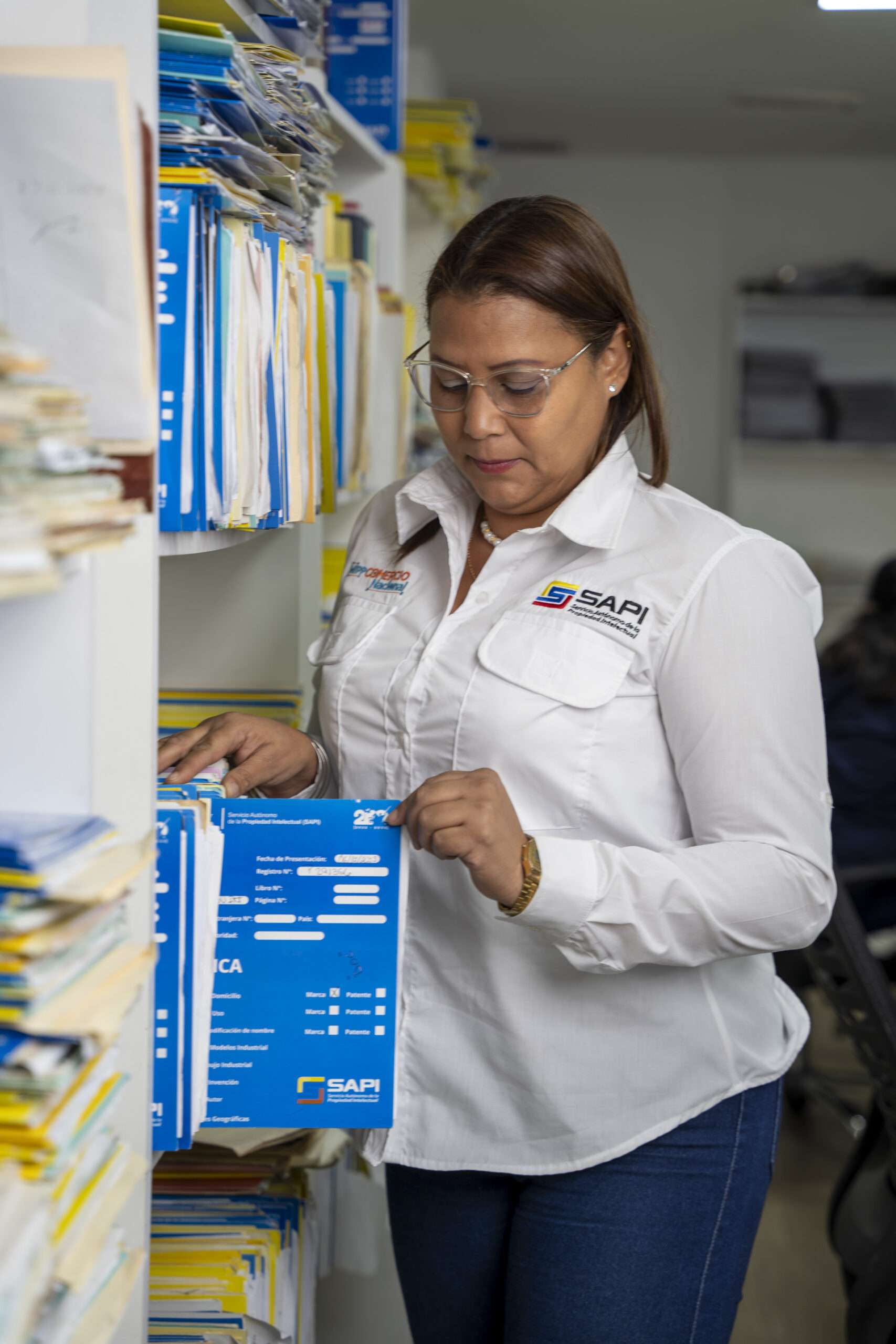
In the exercise of its authority over intellectual property, the institution is empowered to design, plan, coordinate, and carry out activities related to intellectual property in accordance with the provisions of laws, decrees, regulations, resolutions, international treaties, and other legal provisions pertaining to the matter.

Intellectual property encompasses industrial property rights relating to creations applicable to industry and commerce, as well as copyright and related rights pertaining to literary and artistic works. It also includes sui generis rights over the traditional knowledge of indigenous peoples and local communities, as well as other categories established by other laws.

A Brief Historical Overview

The Autonomous Intellectual Property Service (SAPI) was established by Decree No. 1,768 dated March 25, 1997, published in the Official Gazette No. 36,192 dated April 24, 1997, and began operations on May 1, 1998, pursuant to Resolution No. 054 of April 7, 1998, published in the Official Gazette No. 36,433 dated April 15, 1998.

Its creation has made it possible to bring industrial property and copyright together under a single organization. This merger has made it possible to streamline and optimize the process of registering, protecting, and disseminating the products of human intellect under the various frameworks currently in place within the Venezuelan intellectual property system.

Institutional Objectives

  • To provide legal certainty through the protection of intellectual property rights over artistic, scientific, and technological works, patents, appellations of origin, plant varieties, trademarks, and other distinctive signs.
  • To promote the development of the knowledge society by disseminating information on intellectual property, with the aim of facilitating technology transfer to the productive and innovation sectors.
  • To contribute to the protection and defense of the collective intellectual property rights related to the traditional knowledge, technologies, and innovations of indigenous peoples and local communities associated with the use and conservation of biological diversity.
  • Encourage intellectual creation by protecting the copyright in works.
  • To cooperate and negotiate at the local, regional, and global levels with states, organizations, and peoples for the protection and development of intellectual property in accordance with the fundamental principles of the Constitution of the Bolivarian Republic of Venezuela.
  • Strengthening the social economy through the use of “Collective Trademarks.”
  • Coordinate the administration of national and international agreements to strengthen the National Intellectual Property System and enter into new commitments.
  • Promote the use of free technologies and artistic creations.

Mission

We are a public organization that provides services related to the Intellectual Property Registry by enforcing applicable laws and regulations, in accordance with the Constitution of the Bolivarian Republic of Venezuela and the strategic guidelines of the National Economic and Social Development Plan, as set forth in the Simón Bolívar National Project; with the aim of contributing to the nation’s sustainable cultural, economic, and social development.

Vision

To be a public organization that contributes to the well-being of the Venezuelan people by promoting scientific and technical development, facilitating access for all to goods and services, supporting the creation of protection systems that safeguard and encourage creators and researchers, protecting their inventions, and ensuring the dissemination of the knowledge contained therein, as well as the proper use of distinctive signs that facilitate access to the goods and services required to meet the needs of the community.