
COPYRIGHT
SERVICES
What Is Copyright?
Copyright is a legal term that describes the rights granted to creators over their literary and artistic works, which range from books, music, paintings, sculptures, and films to computer programs, databases, advertisements, maps, and technical drawings, protecting authors, artists, performers, broadcasters, and producers of phonograms.
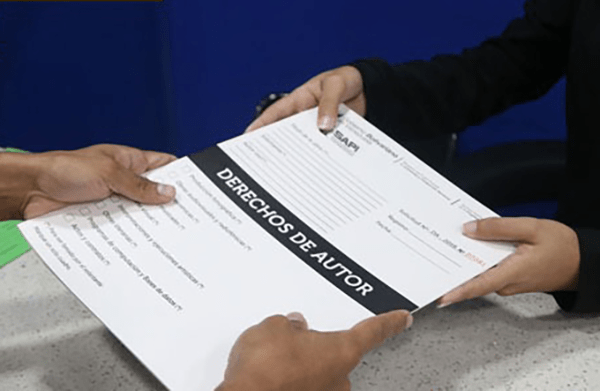
Registration categories
Literary Works: any creative work expressed in written form, including books, articles, lectures, and literary works
Musical Works: written or recorded musical compositions
Audiovisual Works: a creative work expressed through associated images, with or without incorporated sound, intended for broadcast
Radio Plays: produced for broadcast on radio or television
Visual Artworks: drawings, paintings, architectural works, engravings, lithographs, illustrations, maps, plans, visual artworks, geographical sketches, topographical sketches
Theatrical or Dramatic Works: works in which the movements on stage are described by any means, whether of a dramatic or dramatic-musical nature, including choreographies, pantomimes, or plays
Computer Science and Database Program: is a set of detailed, sequential instructions that a computer, piece of technology, or application executes to perform a specific task or function
Recordings: is the recording of sound and artistic works, for reproduction and dissemination to the public, in disc formats
Documents and Contracts: any action that could alter the use of the work.
Artistic Interpretations and Performances: any artistic activity involving the performance of a role, such as singing, reading, reciting, or performing a literary, artistic, dramatic, musical-dramatic, musical, or choreographic work for public performance
They are not subject to registration
The texts of laws, public treaties, official regulations, decrees, official decisions, and other official acts, as they are in the public domain pursuant to Article 4 of the Copyright Act
Mathematical procedures
Ideas in and of themselves, ideological or technical content
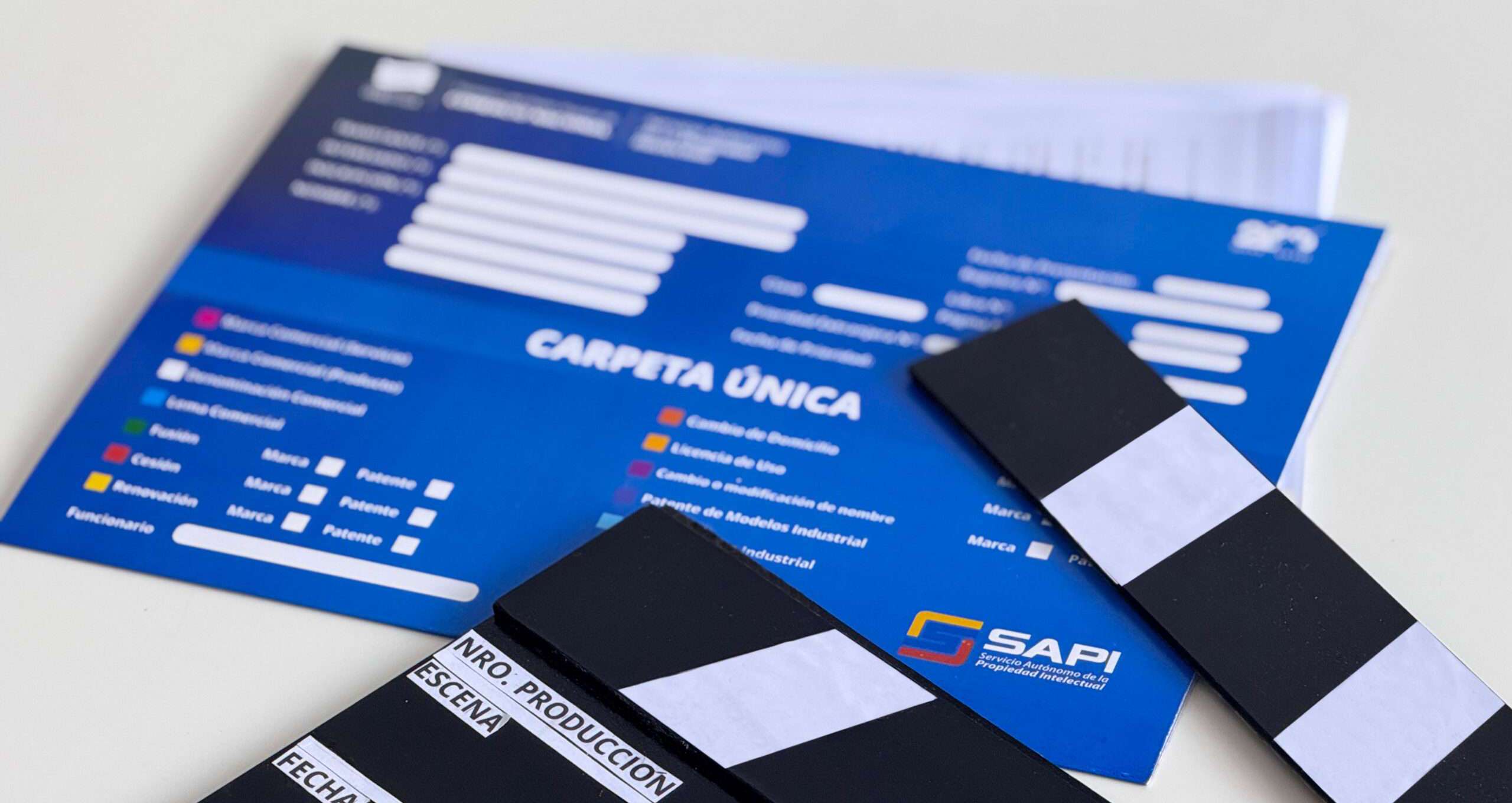
Beneficios de certificar tu obra
1.- Protects la creación intelectual contra el plagio, la usurpación o alteraciones que afecten los derechos morales y patrimoniales del autor sin su autorización expresa.
2.- Allows al titular actuar (respaldado por una prueba legal de autoría y fecha cierta) ante cualquier instancia del Estado contra cualquier tercero que, sin su consentimiento, use, reproduzca o modifique la obra protegida.
3.- Prevents que cualquier tercero distribuya, comercialice, comunique públicamente o explote económicamente la obra protegida sin su autorización.
4.- Facilita la negociación legítima frente a terceros (editoriales, productoras o plataformas) para otorgar licencias, ceder derechos y garantizar la correcta percepción de regalías y el resguardo de su patrimonio.
Term of Copyright
In accordance with Article 25 of the Copyright Act, copyright arises upon the creation of the work, lasts for the lifetime of the author or co-authors, and expires sixty (60) years after January 1 of the year following their death, even with respect to works that were not published during their lifetime.
Collective Management Organizations (EGC)
Collective Management Organizations are nonprofit civil associations that are strictly authorized, regulated, and inspected by the government through the National Copyright Office of the SAPI. These organizations are responsible for centrally managing the economic rights of authors within the same profession, which involves representing their commercial interests, collecting royalties for the public use of their repertoire, granting licenses to third parties, and, finally, distributing the collected revenue among all their members.
There are two authorized collective management organizations:
- Society of Authors and Composers of Venezuela (Sacven)
- Venezuelan Association of Performers and Phonogram Producers (Avinpro)
Tarifas y cuentas bancarias
Multimedia
Gallery